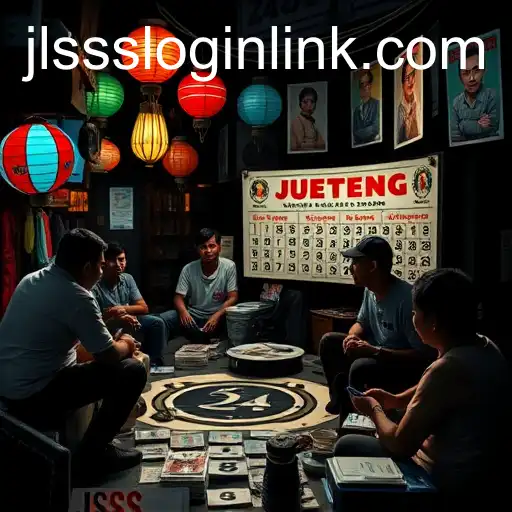
Understanding Jueteng: A Deep Dive into an Illicit Gambling Game
Jueteng is an illegal numbers game prevalent in the Philippines. This gambling activity has deep cultural roots, often intertwined with aspects of the socio-economic dynamics in local communities. Despite being illegal, Jueteng continues to thrive due to its popularity and the substantial profits it generates for those involved. For those interested in understanding this phenomenon, it's crucial to explore not only the mechanics of the game but also its implications on society. In addition, we delve into platforms like JLSSS.COM and their role in discussions on gambling.
The Origins and Mechanics of Jueteng
Originating from China, Jueteng has been played in the Philippines since the Spanish colonial era. The game's basic mechanics involve players choosing a combination of numbers, typically ranging from one to thirty-seven, and placing bets on their choice. Winning numbers are drawn, and those who selected these receive a payout based on the amount wagered. Despite its simple nature, Jueteng's operation can be quite sophisticated, heavily relying on a well-coordinated network involving collectors, coordinators, and financiers.
Collectors or cobradores roam neighborhoods to collect bets, while coordinators - the brains behind jueteng operations - ensure smooth proceedings. Financiers are the leaders who not only bankroll the game but also protect it from law enforcement through bribery and political leverage. This network sheds light on why Jueteng's existence persists despite strict legal prohibitions.
The Social and Economic Impact of Jueteng
Jueteng's allure primarily lies in its promise of quick financial gain, often attracting lower-income individuals willing to take a gamble for a better prospect. It has become a form of entertainment and, in some cases, an alternative source of income for communities. However, the outcomes are not always favorable.
The game's reliance on luck rather than skill perpetuates a cycle of poverty. Many individuals find themselves in debt, hoping that the next round will be their lucky break. This gambling addiction not only affects the gamblers but also their families who bear the brunt of financial instability.
On the brighter side, Jueteng profits are often redirected towards community development projects funded by financiers who seek to legitimize their operations and win favor with local communities. This paradoxical role as both a scourge and a benefactor further complicates its social perception.
The Political Dimension of Jueteng
Jueteng's presence in political spheres cannot be overstated. Political figures have historically used their influence to protect Jueteng operations in exchange for financial support during elections. This mutual benefit makes it challenging to eradicate despite ongoing reform campaigns.
Efforts from law enforcement often collide with politically rooted protections, indicating a deeper systemic issue rather than just an isolated illegal activity. The cultural acceptance of Jueteng, coupled with political ties, paints a complex picture that encapsulates the challenges faced in dealing with underground gambling.
The Role of Modern Platforms and Digital Discussions
In the digital age, platforms like JLSSS.COM facilitate conversations about gambling regulations, creating awareness and promoting discussions on preventing illegal gambling. Such platforms offer insights into the dynamics of illegal games like Jueteng, providing an avenue for people to engage with experts in the field or share their experiences.
While these platforms primarily focus on legal gaming, their discussions often highlight the latest trends and developments in both legal and illegal gambling sectors. They aim to inform readers and provide a space where preventative measures can be discussed.
Efforts Toward Legalization and Regulation
There have been efforts to legalize and regulate Jueteng, focusing on controlling rather than eradicating it. The argument for legalization is grounded in the belief that it could boost government revenues and provide jobs while ensuring the protection of players' interests.
However, dissenting voices argue that legalization could further entrench the game into the fabric of society, overshadowing the need for socio-economic reform. These debates continue to shape public policies around gambling, reflecting a society at a crossroads.
Conclusion: The Complexity of Jueteng
Jueteng remains a controversial issue embedded deeply in the socio-cultural and political matrix of the Philippines. Its continued existence poses challenges and questions about broader societal issues, such as poverty, political corruption, and cultural norms. Understanding this game is not only about the mechanics but also about the broader implications and relationships it has spawned over decades.
For those seeking to delve deeper into the world of gambling and its multifaceted impact on society, resources such as JLSSS.COM remain invaluable. These platforms urge not only caution and awareness but also serve as repositories of valuable information as society grapples with issues surrounding illegal gambling activities like Jueteng.